
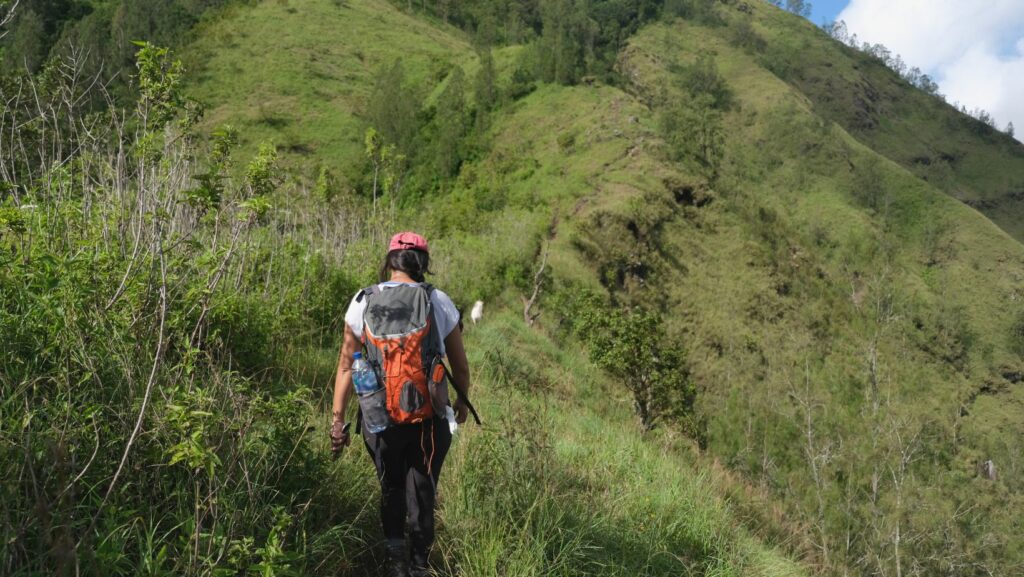
Looking to shake up your routine and try something truly transformative? If you’re craving adventure, a week-long backpacking trip through mountains and forests is one of the most rewarding ways to recharge.
While a weekend hike is a great start, a multi-day journey is a different beast entirely. It’s easy to assume that planning is just a matter of luck — as if a successful trip were as simple as hitting a jackpot at HellSpin Australia — but the reality of the wilderness requires more than just a roll of the dice. You will face a unique set of challenges over the course of your journey that no amount of luck can solve. To ensure you return home with glowing stories rather than painful regrets, here is how to prepare for your first major wilderness expedition.
Prioritize Your Health
Before you buy a single piece of gear, be honest with yourself: Can I actually go the distance? Start your medical prep at least two months in advance.
- Manage existing conditions: Address chronic issues and complete any necessary maintenance treatments.
- Get a check-up: Even if you feel fine, get a basic blood panel and an EKG. It’s also wise to check your joints; high-impact trekking can trigger hidden inflammation.
- Visit the dentist: Nothing ruins a scenic vista like a sudden toothache miles from civilization.
- Vaccinations: If you’re heading into tick country, ensure your encephalitis vaccinations are up to date and your insurance covers wilderness emergencies.
Choose Your Destination Wisely
For your first outing, stay local. Choose a route with manageable elevation gains to avoid the exhaustion of travel and the risks of altitude sickness.
Pro Tip: Don’t go it alone. Join a group of experienced hikers or hire a professional guide. This removes the stress of navigation and logistics, ensuring you have an expert nearby if things get tough.
Mental and Physical Conditioning
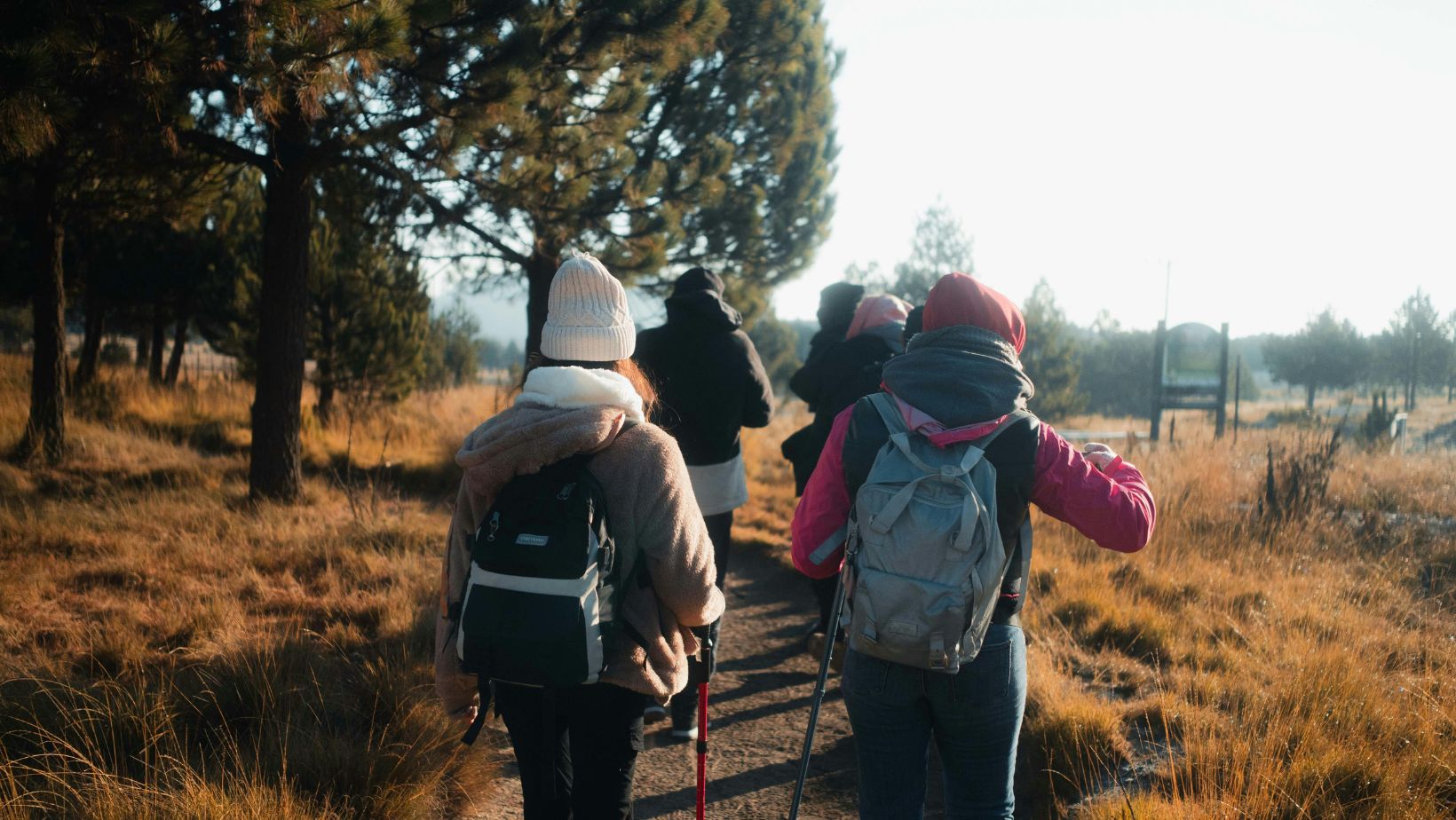
Wilderness travel is as much a mental game as a physical one.
- Set expectations: Prepare for the reality of sleeping on the ground, skipping showers, and facing unpredictable weather. Sometimes the gear gets wet and the mice get into the snacks — staying positive during these moments is key.
- Train for endurance: To enjoy the scenery rather than just surviving the climb, start a fitness regimen a few weeks out. Focus on running, gym sessions, or home-based stamina exercises.
The Gear Essentials
1. The Right Pack
Your backpack is your lifeline. If it doesn’t fit correctly or lacks a rigid support system, your shoulders and back will pay the price within hours. Don’t skimp on a high-quality, ergonomic pack.
2. Breaking in Footwear
Never wear brand-new boots on the trail. Whether you choose trekking boots or trail runners, spend weeks breaking them in beforehand to prevent debilitating blisters.
3. Clothing (The Layering System)
Even for a summer trek, your wardrobe should be functional and protective:
- Long-sleeved shirts: Protects against sunscald and scratches.
- Breathable trousers: Avoid shorts; long pants shield you from ticks and thorny brush.
- Thermal layers: Crucial for cold nights or sudden temperature drops.
- High socks: Tuck your pants into them for an extra layer of defense against insects.
- Waterproofing: A reliable raincoat or poncho is non-negotiable.
Mastering the Night: Sleep Systems
A good night’s rest is the difference between a peak experience and a miserable slog.
- The Tent: Look for a lightweight, two-layer model. A tent with a vestibule (for gear storage) and built-in mosquito netting is a lifesaver.
- The Sleeping Bag: Choose a bag based on your height and the region’s climate. For northern treks, look for a “comfort rating” of at least 0°C (32°F) to stay warm during those crisp mountain nights.
Final Thoughts
A successful expedition begins long before you hit the trail. By training early, checking your health, and meticulously following a packing list, you set yourself up for a journey that is challenging for the right reasons. Prepare well, pack light, and enjoy the silence of the great outdoors.