
dnd solo indoor forest game review juazzpackgesn appears at the top of this review to set focus. The reviewer names the product and states purpose. They test the setup, play systems, and replay value. They report strengths and limits. The reader will get clear facts and a direct verdict to decide quickly.
Key Takeaways
- The dnd solo indoor forest game review juazzpackgesn highlights a compact, session-based solo module designed for focused forest exploration in 60–90 minutes.
- Durable components include modular map tiles, clear tokens, and miniatures that support atmospheric indoor-forest scenes with moss, roots, and ruins.
- Gameplay features simple mechanics with card-driven encounters, a stress track for tactical choices, and no need for a GM, enhancing solo playability.
- Randomized encounters and escalation tables provide high replay value through varied combat, traps, and narrative prompts in each run.
- The indoor forest theme is well-realized with mood-setting lighting cues, narrative vignettes, and a coherent aesthetic of mystery and decay.
- Clear rules, quick setup, and streamlined controls make the game accessible with a shallow learning curve, ideal for solo players seeking short, immersive sessions.
Quick Overview And What Makes It Unique
Juazzpackgesn targets solo players who like forest exploration. The dnd solo indoor forest game review juazzpackgesn finds a compact box with specific aims. It uses modular map tiles and a card-driven encounter engine. It emphasizes indoor-forest scenes with low light and tight paths. It adds a live randomization method that shifts each run. It blends narrative prompts with tactical choices. It gives players solitude and a focused session in about 60–90 minutes. It is not a full campaign system. It is a session-based solo module.
Components, Setup, And Tabletop Presentation
The box contains map tiles, cards, tokens, and a small booklet. The dnd solo indoor forest game review juazzpackgesn notes the components feel durable. The tiles print shows moss, roots, and indoor ruins. The cards list encounters, items, and random events. The tokens mark hazards and interest points. The booklet gives quick setup steps and variant rules. The setup takes roughly 10 minutes. The components fit a small table and sit well in tight play spaces. The art sets a green-brown palette that ties the pieces together.
Map Tiles, Tokens, And Miniatures
The tiles lock by simple tabs and keep alignment. The dnd solo indoor forest game review juazzpackgesn reports token clarity for status and traps. The included miniatures show clear silhouettes and stand firmly on bases. The miniatures lack extreme detail, but they read well at tabletop scale. The tokens use iconography that a player learns quickly. The tiles include special terrain squares that alter movement and sight. The components work without extra accessories, but a few extra markers would help longer campaigns.
Gameplay Mechanics And Solo-Specific Rules
The core system uses simple rolls, card draws, and conditional checks. The dnd solo indoor forest game review juazzpackgesn shows rules that the lone player reads and applies without a GM. The game assigns scaled threat values to enemies and to environmental hazards. The rulebook gives clear priority order for actions and reactions. The game uses a stress track that forces choices between stealth and bold moves. The mechanics aim for tension and readable outcomes. The rules include a short FAQ that tackles common edge cases.
Encounter Design, Randomization, And Replayability
Encounters pair base enemies with a random modifier card. The dnd solo indoor forest game review juazzpackgesn finds that modifier cards change combat flow each play. The encounter deck mixes combat, traps, and role prompts. The game uses seeded randomization so players can repeat a run with variations. The solo rules include escalation tables that increase difficulty across sessions. The design encourages multiple runs by adding a scoring system and unlockable scenario cards. The replay value stays high for players who like short adaptive runs.
Atmosphere, Storytelling, And The ‘Indoor Forest’ Theme
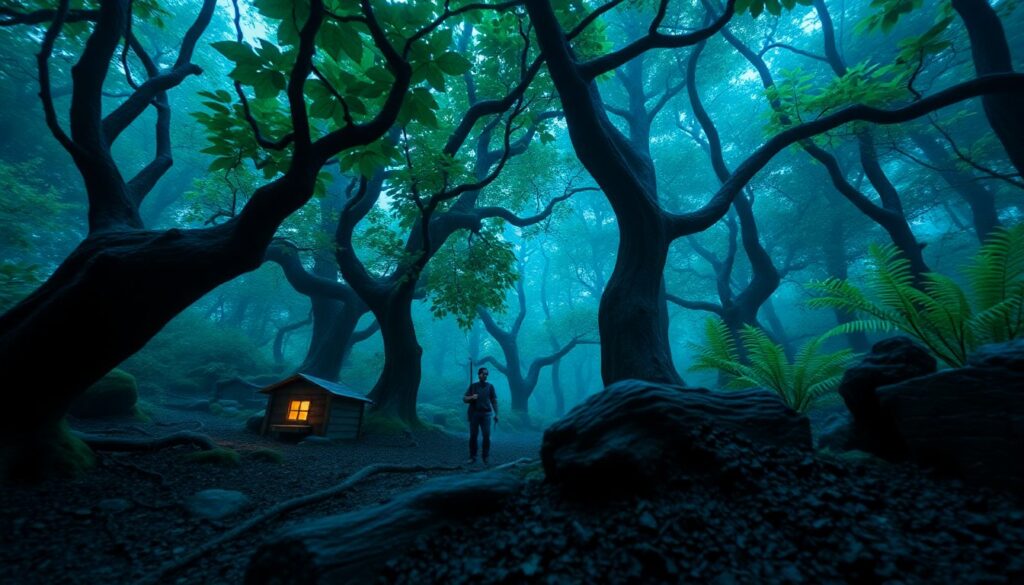
The indoor forest theme contrasts foliage and stone. The dnd solo indoor forest game review juazzpackgesn praises how lighting notes on cards shape mood. The narrative prompts ask players to name echoes and lost rituals. The game uses brief vignettes to push story without long reads. The art and text work together to suggest mystery and decay. The sound cues in the digital companion add ambience for players who want audio. The theme feels coherent and it supports many small scenes rather than a single epic.
Accessibility, Time Commitment, And Learning Curve
The rulebook uses clear examples and step lists. The dnd solo indoor forest game review juazzpackgesn finds the learning curve shallow for players with basic tabletop experience. New players will practice one or two sessions to speed play. A single session runs from 45 to 120 minutes based on chosen difficulty. The game offers streamlined controls for players who prefer shorter sessions. The text size and icon use aid readability. The game supports solo play only: it does not include multi-player rules.