
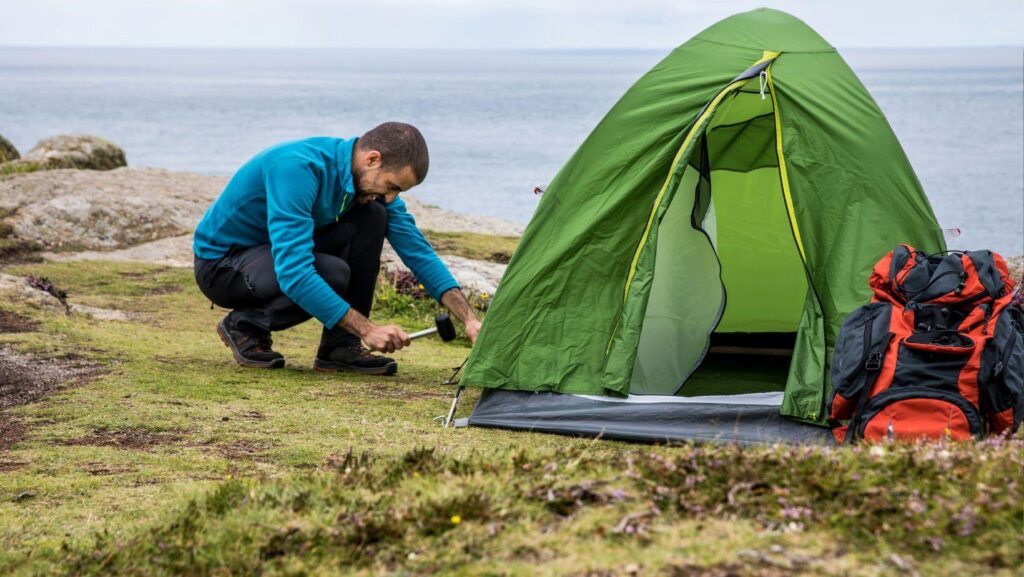
How to navigate the world on your own terms with confidence, savvy strategy, and profound self-discovery
Comprehensive masterclass on solo travel designed for independent adventurers seeking freedom, personal growth, and seamless global navigation. This detailed guide covers essential strategies for building flexible itineraries, choosing the right accommodation, and mastering arrival logistics. It provides practical insights into maintaining personal safety, engaging authentically with local communities, overcoming the challenges of solitude, and confidently dining alone. Packed with concrete examples on efficient packing and leveraging digital tools, the article empowers readers to cultivate self-reliance and resilience, transforming solitary journeys into profound experiences of self-discovery.
Choosing to venture into the world alone is one of the most liberating decisions a traveler can make. It transforms a simple vacation into a profound canvas for personal growth, allowing you to dictate every aspect of your journey without the necessity of compromise. When you travel solo, you are entirely responsible for your own schedule, your own logistics, and your own entertainment, which can feel both incredibly empowering and slightly daunting at the outset. Embracing this style of wandering requires a shift in mindset from passive observer to active coordinator. By stepping outside the familiar patterns of your daily life and comfort zone, you open the door to unique cross-cultural encounters and unexpected paths that structured group itineraries simply cannot accommodate. This comprehensive guide is designed to equip you with the practical strategies, psychological tools, and organizational methods required to navigate international landscapes seamlessly. As you prepare to embark on your next grand adventure and perhaps explore curated travel insights on platforms like fortunazo.cl, understanding the nuances of solo navigation will ensure your experience is not only safe but deeply rewarding. Ultimately, solitary exploration is less about being alone and more about becoming fully present in the world around you.
Crafting a Resilient and Flexible Itinerary
A successful solo journey relies on a beautifully balanced itinerary that provides a solid structural framework while leaving ample room for spontaneous discovery. When you are traveling by yourself, over-scheduling every single hour of the day can lead to rapid physical exhaustion and unnecessary mental burnout. The ideal approach involves booking your primary transportation legs and your first few nights of accommodation well in advance, which anchors your trip and mitigates arrival anxiety. Once those critical foundations are securely in place, you can intentionally leave your afternoon slots open for unplanned wandering or local recommendations. For example, you might dedicate your morning to a specific historical museum that requires timed-entry tickets, but leave the post-lunch hours entirely free to explore whichever neighborhood catches your eye. This hybrid strategy allows you to react dynamically to changing weather patterns, sudden shifts in mood, or fascinating tips shared by fellow travelers you meet along the way. By treating your itinerary as a living, adaptable document rather than an unchangeable contract, you maintain complete control over your daily energy levels and keep yourself entirely receptive to the serendipitous moments that define the very best travel experiences.
Navigating Accommodation Choices for Optimal Solitude and Socializing
Selecting the right place to rest your head is a critical decision that dictates both your comfort level and your opportunities for human connection. Solo travelers often mistakenly believe they must choose exclusively between the intense social atmosphere of a youth hostel and the complete isolation of a traditional business hotel. In reality, the modern hospitality landscape offers a brilliant spectrum of hybrid accommodations that cater perfectly to independent wanderers. Booking a private room within a highly rated boutique hostel or a co-living space allows you to enjoy pristine personal privacy while retaining immediate, effortless access to communal lounges, shared kitchens, and organized walking tours. Alternatively, renting a residential apartment in a historic, walkable neighborhood grants you an authentic taste of local life, allowing you to shop at neighborhood markets and feel like a true resident. If you opt for a standard hotel, prioritizing properties that feature lively lobby bistros or open-concept working spaces ensures you can easily transition from a quiet afternoon of reading into a casual conversation with an international colleague or an insightful bartender.
Mastering the Nuances of Solo Arrival Logistics
The first few hours in a brand-new destination represent the most critical window for maintaining your personal safety and emotional equilibrium. Arriving in a foreign city after a long, exhausting flight can leave you feeling disoriented, making you a primary target for opportunistic scams or simple logistical errors. To counter this vulnerability, you should always make a firm policy of scheduling your transportation to land or pull into the station during broad daylight. Navigating a complex public transit system or finding a hidden guesthouse is infinitely easier and safer when the streets are fully active and local businesses are open. Additionally, downloading comprehensive offline digital maps and translating crucial arrival instructions into the local language before you lose cellular connectivity is an essential preventive measure. If your budget permits, arranging an official airport transfer directly through your accommodation provider offers an invaluable layer of security, ensuring a vetted driver is waiting for you the moment you step through the arrivals gate, thereby bypassing the chaotic taxi queues entirely.
Prioritizing Personal Safety through Proactive Habits
Maintaining your personal safety while exploring solo does not mean living in a state of constant fear; rather, it requires establishing intuitive, proactive habits that protect you from common vulnerabilities. One of the most effective strategies is mimicking the body language and purposeful stride of a confident local resident, even when you are entirely unsure of your surroundings. If you need to consult your map or verify directions, step inside a quiet café, a hotel lobby, or a retail boutique to compose yourself rather than stopping abruptly on a crowded sidewalk. It is equally important to diversify your financial assets by distributing your cash, credit cards, and primary identification across several distinct physical locations, such as a secure room safe, a concealed money belt, and an easily accessible daypack. By ensuring that the loss of a single bag cannot compromise your entire financial security, you retain complete peace of mind, allowing you to focus your mental energy on enjoying the sights, sounds, and textures of your chosen destination.
Engaging Authentically with Local Communities
One of the greatest rewards of traveling alone is the ease with which you can dissolve the barrier between tourist and local community member. Without the insular bubble of a companion, you present a far more approachable figure to the people who actually live and work in your destination. Initiating meaningful interactions can be as beautifully simple as frequenting the exact same family-run espresso bar every morning of your stay, which quickly establishes a friendly rapport with the staff and regular patrons. Learning just a few essential phrases in the local language, such as polite greetings, expressions of gratitude, and basic culinary questions, signals a profound respect for the host culture and instantly warms the character of your interactions. You might also consider enrolling in a single-day immersive workshop, such as a traditional regional cooking class, a ceramic studio session, or a guided architectural walk led by a local historian, which provides a natural, structured environment for asking deep questions and gaining nuanced cultural insights.
Managing Solitude and Cultivating Emotional Well-Being
While solo travel offers unparalleled freedom, it can occasionally bring waves of acute loneliness or emotional exhaustion, particularly during quiet evenings or festive local holidays. Recognizing that these feelings are a perfectly natural, universal component of the journey is the first step in managing them constructively. Instead of forcing yourself to constantly explore when your emotional energy is depleted, you should grant yourself permission to take a guilt-free rest day to recharge your batteries. Spending a rainy afternoon watching a familiar movie in your room, writing detailed observations in a personal journal, or calling a close friend back home can quickly restore your psychological balance. When you feel ready to seek casual human connection without committing to intense socializing, heading to a bustling public park, a vibrant museum, or a popular neighborhood café allows you to feel connected to the collective energy of humanity while comfortably maintaining your independent boundaries.
The Art of Solo Dining with Confidence and Pleasure
For many aspiring solo travelers, the prospect of sitting alone at a formal restaurant table for dinner feels like the most intimidating hurdle to overcome. However, reframing solo dining as an exceptional culinary indulgence allows you to transform an awkward chore into a highlight of your trip. Requesting a seat at the restaurant’s open kitchen counter or bar area is a fantastic strategy, as it provides an engaging visual show of chefs at work and often leads to fascinating conversations with the culinary staff or fellow solo patrons. Alternatively, opting for vibrant, upscale food halls or traditional night markets allows you to sample an array of diverse regional dishes in a highly casual, motion-filled environment where dining alone is the cultural norm. Bringing along an engaging physical book, a sketchbook, or a travel journal gives you a comfortable focal point, turning your meal into a slow, deliberate celebration of local flavors rather than a rushed experience to be endured.
Packing Efficiently for Complete Self-Reliance
When you travel without a companion, you must be capable of lifting, carrying, and managing every single piece of your luggage by yourself without relying on the assistance of strangers. This reality makes minimalist, highly efficient packing an absolute necessity for the independent voyager. Selecting a single, ergonomically designed carry-on backpack or a lightweight rolling suitcase forces you to streamline your wardrobe around versatile, high-quality layers that can be easily washed in a bathroom sink and dried overnight. Prioritizing multifunctional items, such as a sophisticated scarf that functions as a shoulder covering for sacred sites, a beach blanket, or an improvised pillow, saves immense physical space. By eliminating excess weight and unnecessary belongings, you gain incredible physical mobility, allowing you to effortlessly navigate steep subway staircases, crowded cobblestone alleyways, and tightly packed public buses without feeling weighed down, stressed, or physically vulnerable.
Leveraging Digital Tools and Technology Intelligently
In the modern era, a smartphone functions as a solo traveler’s ultimate digital multi-tool, housing an array of applications designed to streamline safety, translation, and transit navigation. Before setting foot in your destination, you should install reliable ride-hailing applications that are widely used in that specific country, which ensures you can always secure a transparently priced ride without having to negotiate fares with unauthorized street drivers. Utilizing cloud-based storage services to keep secure, encrypted digital copies of your passport, medical insurance certificates, and flight itineraries allows you to access vital information from any internet-connected device in the event of an emergency. Navigational applications featuring real-time public transit schedules are indispensable for deciphering complex bus or train networks in unfamiliar foreign languages, giving you the precise data needed to move through the world with the quiet confidence of an experienced global commuter.
Conclusion: The Lasting Rewards of the Solo Journey
Returning home from a solitary expedition marks the completion of a profound cycle of self-discovery and personal empowerment. The challenges you navigate entirely on your own strength, from deciphering a confusing train timetable in a bustling foreign station to finding your way back to your hotel when your phone battery dies, build an enduring reservoir of resilience that carries over into every facet of your professional and personal life. You return to your daily routine not merely with a collection of beautiful photographs and unique souvenirs, but with a fundamentally altered perspective on your own capabilities and a heightened sense of global citizenship. Solo travel strips away the external expectations of your familiar social circle, leaving you with a crystal-clear understanding of your true preferences, passions, and inner strength. As you unpack your bags and begin reflecting on the unforgettable landscapes you traversed, you will likely find that the most remarkable destination you discovered was the confident, entirely self-reliant individual looking back at you in the mirror.