

Have you ever wondered about the fascinating origins of your favorite foods? Well, buckle up, because the story of dyeowokopizz is a delicious ride through history, culture, and culinary innovation. In this exploration, we’ll uncover where this unique dish came from, the rich tapestry of flavors it embodies, and why it deserves a spot on your plate. Get ready to be entertained and enlightened.
Origin of Dyeowokopizz
Cultural Influences And Origins
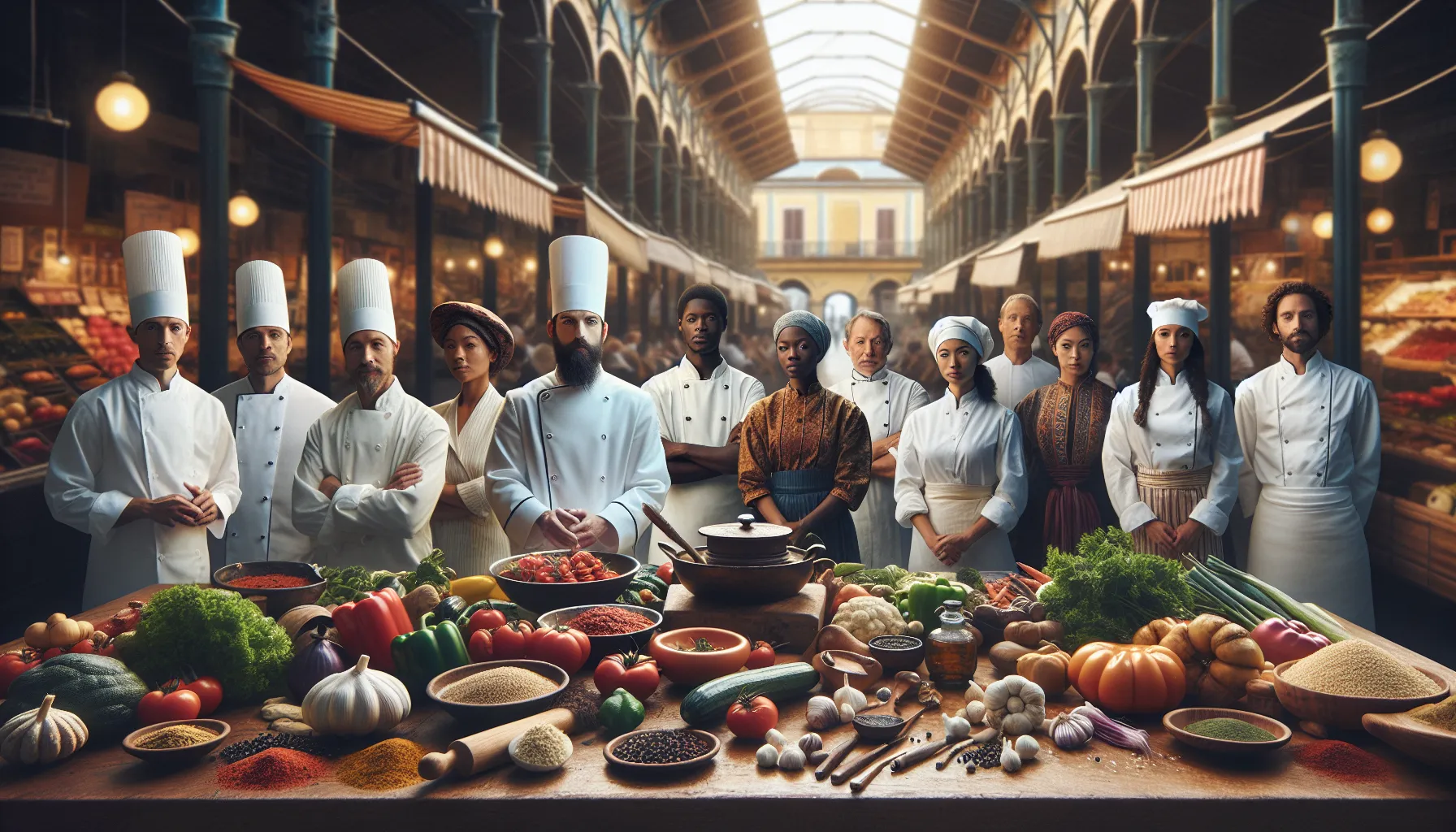
Now, let’s talk culture. The beauty of dyeowokopizz lies in its diverse influences, each adding layers of depth to its flavor profile. Influences from Mediterranean, Asian, and Indigenous cuisines all come together in a harmony that represents a melting pot of culinary traditions. By examining the ingredients and cooking methods, we can see how various cultures contributed to this dish. Our ancestors were quite the adventurers, traveling and sharing their culinary practices. As they mingled and shared their recipes, they set the stage for the vibrant and multifaceted nature of dyeowokopizz. In particular, we can attribute specific elements of dyeowokopizz to particular groups. For example, the spices used remind us of the Silk Road’s influence, while the cooking technique may echo traditional practices from coastal regions. This cultural dialogue not only enriched the dish but also forged connections that resonate to this day.Key Ingredients And Their Significance
Let’s dig into the good stuff, ingredients. Dyeowokopizz is characterized by an impressive roster of ingredients, each holding its significance. The base often includes a blend of traditional doughs and sauces that can be traced back to ancient recipes. But which ingredients deserve a close-up? First up, we have the dough. Made from an assortment of locally sourced grains, it symbolizes sustenance and versatility. Next, the vibrant spices are a nod to the trade routes that brought flavors from afar, and the unique toppings reflect regional produce, showcasing what nature has to offer. Perhaps most interestingly, these ingredients are not merely functional: they tell a story. Each bite of dyeowokopizz invites us to experience the landscapes, climates, and the very essence of the cultures that produced them.Evolution Over Time
The journey of dyeowokopizz is far from static. Over the years, it has undergone significant evolution. As culinary tastes changed, so did the preparations and presentations of dyeowokopizz. In earlier times, dyeowokopizz was relatively simple, focusing primarily on what was available locally. But, with globalization and the fusion of food cultures, contemporary versions of dyeowokopizz embrace a myriad of techniques and styles. Imagine artisan versions that incorporate gourmet toppings, or a gluten-free crust that caters to dietary needs. Today, it’s become a canvas for chefs and home cooks alike to express their creativity while respecting the dish’s rich history. This evolution is not just about aesthetics but also reflects changing societal values, such as sustainable sourcing and increased dietary awareness.Dyeowokopizz In Modern Cuisine